
Knoxville TN, August 13, 2025
News Summary
Knoxville has a rich cinematic history, from the iconic Queen Theatre, which opened in 1914, to the emergence of various venues that shaped the city’s entertainment landscape. The evolution of these theaters reflects both advancements in film technology and the community’s artistic growth, emphasizing the importance of diverse and inclusive experiences in local cinema.
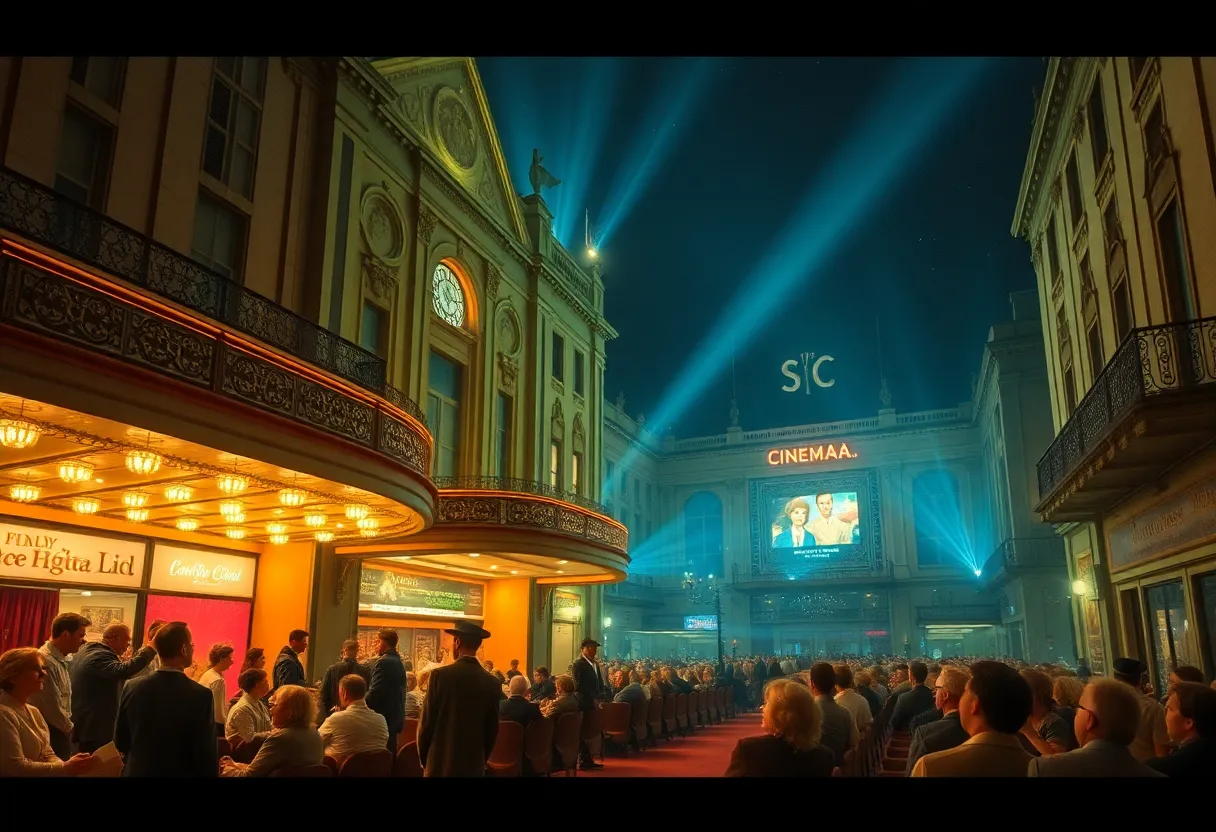
Knoxville has long been a hub for entertainment, with a rich cinematic history that traces back to the early 20th century, highlighted by the opening of iconic theaters. The Queen Theatre, which opened its doors on July 6, 1914, marked a significant turning point in the city’s entertainment landscape. Located on Gay Street near Union Avenue, just two doors down from East Tennessee Savings Bank, the Queen Theatre set the standard for modern movie-going experiences of its time.
Upon its inception, the Queen Theatre boasted impressive features, including a seating capacity of 800 and what it claimed to be cutting-edge fresh air conditioning. It quickly became known for showcasing high-quality film productions, although many of the early films were lesser-known titles. Notable films screened included “The Man From Home” and “Cinderella” (1915) starring actress Mary Pickford. The theater also premiered Pickford’s 1915 film “Esmerelda,” based on a story crafted by Knoxville native Frances Hodgson Burnett.
As the years progressed, the Queen Theatre presented a series of films that not only entertained but also shaped the cinematic landscape. One such film, “Brewsters Millions,” adapted from a 1902 novel, later inspired a popular 1985 film featuring Richard Pryor and John Candy. Notably, local photographer Jim Thompson showcased his works at the theatre, including the patriotic film “Pilgrims of Patriotism” in 1917.
Following the Queen Theatre, on the heels of its success, the Gay Theatre debuted in 1915, introducing Kinemacolor, an early film technology that added color to the cinematic experience. Promoting itself as the “coolest place in the city,” the Gay Theatre attempted to capture audiences but struggled and eventually closed. It later rebranded as The Strand, continuing operations until 1949.
The Majestic Theatre, which lasted for 12 years, fell short of the grandeur its name suggested, yet it gained literary fame through James Agee‘s autobiographical novel. For Black audiences, cinema options were initially limited. The Bijou Theatre, which opened in 1909, introduced segregated seating, a reflection of the times. The Lincoln Theatre, another venue catering to Black audiences, lasted for about four years starting around 1907.
Later in the 20th century, the grand Riviera Theatre debuted, featuring nearly 1,200 seats and promising to elevate Knoxville’s cultural offerings. However, the Queen Theatre closed its doors shortly before the Tennessee Theatre opened in 1928. The Riviera Theater operated until a fire in 1963 prompted its temporary closure, later reopening as the New Riviera, which lasted until 1976.
As cinema evolved, the Bijou Theatre transitioned from its origins as a vaudeville house to displaying adult films from 1965 to 1975, a controversial chapter in its history. Community efforts led to its revival after closure in 1975, eventually establishing it as a cherished venue for live music events while honoring its past, including renovation plans that acknowledge its history of segregated seating.
Additionally, the Knoxville Children’s Theatre, founded in 2008, has emerged as a significant player in supporting local arts and promoting inclusivity for children. The theatre engages youth in productions while providing affordable participation options, including scholarships. Its recent move to The Foundry has allowed for larger classes and performances, fostering artistic expression and stronger community connections.
Support for Local Artists
Through various key productions and educational programs, Knoxville Children’s Theatre supports the development of life skills and promotes deepening ties within the community.
Conclusion
The historical journey of Knoxville’s cinematic legacy illustrates the city’s deep-rooted relationship with entertainment and the arts, making significant strides to cater to diverse audiences while adapting to the evolving landscape of cinema.
FAQ
What was the Queen Theatre?
The Queen Theatre was a significant movie theater in Knoxville that opened in 1914, known for its modern features and high-quality screenings.
What were some notable films shown at the Queen Theatre?
Notable films included “The Man From Home,” “Cinderella,” and “Esmerelda,” along with local productions like Jim Thompson’s “Pilgrims of Patriotism.”
When did Knoxville Children’s Theatre start?
Knoxville Children’s Theatre was founded in 2008 and focuses on providing recreational and educational opportunities for children in the arts.
What is the significance of the Bijou Theatre?
The Bijou Theatre has had multiple lives, transitioning from vaudeville to adult films, and ultimately becoming a treasured venue for live performances.
Key Features of Knoxville’s Cinematic History
| Theatre Name | Opening Year | Seating Capacity | Notable Features |
|---|---|---|---|
| Queen Theatre | 1914 | 800 | Fresh air conditioning, high-quality screenings |
| Gay Theatre | 1915 | Not Specified | Early color film technology (Kinemacolor) |
| Majestic Theatre | Not Specified | Not Specified | Gained fame through literary references |
| Riviera Theatre | Not Specified | 1,200 | Pioneering local cultural landscape |
| Bijou Theatre | 1909 | Not Specified | Transitioned from vaudeville to live performances |
Deeper Dive: News & Info About This Topic
HERE Resources
East Tennessee Honors Top Workplaces in Annual Awards
Summer Events Brighten Knoxville’s Week
Early Screening of Downton Abbey: The Grand Finale
Business Closures Impacting East Tennessee Economy
Knoxville to Host ‘Freaky Friday: The Musical’ at Bijou Theatre
Iconic Actor Michael Madsen Found Dead at 67
Knoxville to Celebrate Independence Day with Concert and Fireworks
Knoxville Symphony Orchestra Announces Independence Day Concert
Knoxville Appoints Linda Parsons as Poet Laureate
Film Fest Knox Celebrates Regional Filmmaking Talent
Additional Resources
- Inside of Knoxville: Ghost Walking the Streets of Knoxville
- Wikipedia: Cinema of the United States
- Knox News: Bijou Theatre Honoring Black Integration History
- Encyclopedia Britannica: Theater
- Inside of Knoxville: Who is Knoxville Children’s Theatre?
- Google Search: Knoxville cinema history
- Knox News: Bijou Theatre’s Controversial Past
- Google News: Knoxville Children’s Theatre
- Inside of Knoxville: The Plays the Thing – Tennessee Stage Company
- Google Scholar: Knoxville theater history