
United States, August 26, 2025
News Summary
Multiple universities in the U.S. have recently faced panic due to alarming reports of active shooter incidents, which were ultimately confirmed as hoaxes. Institutions such as the University of Tennessee at Chattanooga and Villanova University have enacted lockdowns and emergency alerts. This trend of hoaxes, known as ‘swatting,’ has surged significantly, raising concerns about campus safety and prompting discussions about enhanced preparedness and legal ramifications for offenders. The alarming proliferation of such false reports threatens resources and student well-being across campuses.
University Hoaxes Trigger Panic Across U.S. Campuses
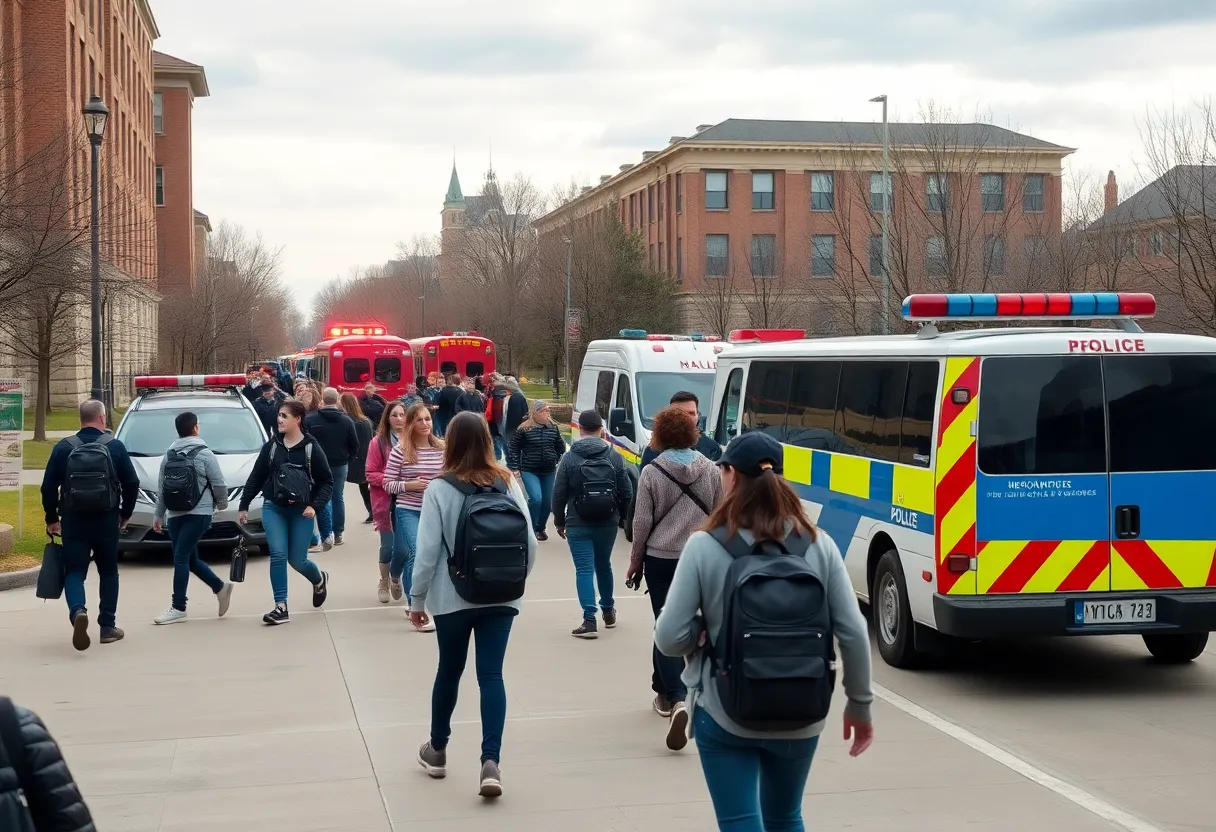
This week, multiple universities across the United States experienced alarm and panic as reports of active shooter incidents turned out to be hoaxes. The affected institutions include the University of Tennessee at Chattanooga, Villanova University, University of South Carolina, Northern Arizona University, University of Arkansas, University of Colorado Boulder, Iowa State University, Kansas State University, and University of New Hampshire. These incidents served as a wake-up call, highlighting the increasing threat of false reports, commonly known as ‘swatting’ during the early days of the fall semester.
On August 21, the University of Tennessee at Chattanooga (UTC) responded promptly to a 911 call at approximately 12:29 p.m. that reported an armed individual on campus. The situation escalated into a full lockdown of both the university and nearby city government buildings. Alerted law enforcement found no evidence of a threat, ultimately lifting the lockdown by 1 p.m.. Nevertheless, classes for the remainder of the day were canceled following this alarming incident.
Just a few days later, on August 24, Villanova University issued alerts for a possible active shooter situation, which was later verified as a hoax. The same day, the University of South Carolina also activated a shelter-in-place warning due to unverified reports of an active shooter, with law enforcement discovering no credible evidence of danger.
Hoax reports, particularly ‘swatting,’ have surged recently. Between January 2023 and June 2024, over 800 swatting instances were documented at U.S. elementary, middle, and high schools. The FBI has been tracking such occurrences since 2008, with initiatives in place to create a reporting database for law enforcement agencies.
Originating in the early 2000s among gaming communities, swatting has evolved, with public concern rising sharply. The Anti-Defamation League noted that incidences climbed from 400 in 2011 to over 1,000 in 2019. Experts emphasize that these false reports drain emergency resources significantly, costing authorities an estimated $82,300,000 in 2023 alone.
The recent string of incidents has raised critical questions about safety protocols and preparedness at universities. Following these events, many institutions have underscored the need for enhanced training and preparedness measures for both students and staff to mitigate future risks. Charges related to swatting events can be severe, fueling discussions about the necessity for stronger laws and technological resources aimed at tracking and prosecuting offenders more effectively.
With university campuses becoming scenes of panic due to these false claims, emphasis has been placed on the importance of maintaining safety and communication channels. As students attend classes during the busy fall semester, universities are actively reinforcing their emergency preparedness plans to ensure a secure environment.
Further Context
The phenomenon of swatting has taken different forms over the years, evolving from simple pranks to more serious threats with dangerous implications. As technology and social media grow, so too does this alarming trend, creating an urgent need for law enforcement and educational institutions to adapt and prepare. Universities are increasingly becoming targets, causing widespread concern that can result in long-lasting effects on the campuses’ atmosphere.
Frequently Asked Questions (FAQ)
What are swatting incidents?
Swatting incidents involve making false reports to law enforcement regarding serious crimes, often resulting in a heavy police response.
Why are universities targeted for hoaxes like these?
Universities may be targeted due to their large populations, which can create chaos and panic, amplifying the impact of the false reports.
What measures are universities taking to address these incidents?
Many universities are implementing enhanced training programs for staff and students and reviewing emergency response protocols to better prepare for potential threats.
Chart: Key Features of Recent Hoax Reports
| University | Date of Incident | Resolution Time | Outcome |
|---|---|---|---|
| University of Tennessee at Chattanooga | August 21 | 1 p.m. | Lockdown lifted, classes canceled |
| Villanova University | August 24 | Not specified | Alert confirmed as hoax |
| University of South Carolina | August 24 | Not specified | Shelter-in-place lifted, no evidence found |
Deeper Dive: News & Info About This Topic
HERE Resources
False Active Shooter Report at UTC Causes Campus Lockdown
UTC Lockdown Triggered by False Active Shooter Report
University of Tennessee at Chattanooga Lockdown After False Shooter Report
Additional Resources
- USA Today: University Hoaxes Trigger Panic Across U.S. Campuses
- ABC News: University of South Carolina Issues Alert After Unconfirmed Reports
- Fox 5 Atlanta: University of Tennessee at Chattanooga Lockdown Due to Active Shooter Reports
- NBC News: Colleges Targeted by Spate of Shooting Hoaxes
- Google Search: Swatting Incidents in Universities