SK Hynix, a prominent South Korean semiconductor manufacturer, recently completed a significant U.S. share offering, raising approximately $26.5 billion. The American Depositary Receipts (ADRs) were priced at $149 each, with robust investor interest driving shares up 13 percent to close at $168.01 on their first day of trading on the Nasdaq.
This substantial capital raise is directly tied to the escalating global demand for high-bandwidth memory (HBM), a specialized type of RAM crucial for powering artificial intelligence processors. As AI models become increasingly complex and widespread, the need for faster, more efficient memory to support these advanced computing tasks has surged across the technology landscape.
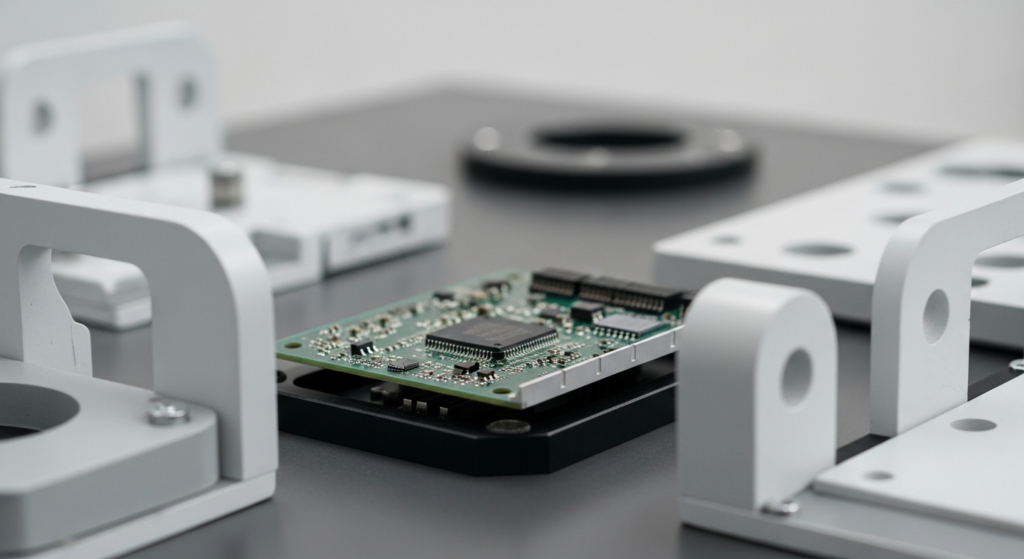
High-bandwidth memory represents a significant leap in data processing capabilities. Unlike traditional memory modules, HBM stacks multiple DRAM dies vertically on a base logic die, creating a much wider data pathway. This architectural innovation allows for dramatically increased bandwidth and reduced power consumption per bit, making it indispensable for the high-performance computing required by modern AI workloads. SK Hynix is a key developer and producer of this advanced memory technology, placing the company at the forefront of the AI hardware supply chain.
The computational intensity of artificial intelligence processors, particularly Graphics Processing Units (GPUs) and specialized AI accelerators, demands an equally powerful memory solution. AI workloads, such as training large language models and complex neural networks, are inherently parallel and require the ability to access and process vast amounts of data simultaneously. HBM effectively removes the traditional “memory wall” bottleneck, enabling these powerful processors to operate at their full potential and accelerating the pace of AI innovation.
This burgeoning demand for AI infrastructure is driving massive investment in data centers globally. Companies are constructing specialized “AI factories” — data centers designed from the ground up to handle high-density computing, advanced cooling systems, and robust power delivery. These facilities represent a significant capital expenditure, reflecting a long-term commitment to AI development and deployment. The competition for optimal data center locations, which require stable power grids and access to skilled labor, is intensifying.
Manufacturing high-bandwidth memory is a complex and capital-intensive process, requiring advanced packaging technologies and significant research and development. Only a handful of companies, including SK Hynix, possess the expertise and infrastructure to produce HBM at scale. This creates a tight supply chain and elevates the strategic importance of these manufacturers within the global technology ecosystem. The billions raised by SK Hynix are expected to be reinvested in expanding production capacity and further innovating memory solutions.
The energy footprint of AI data centers is also a growing concern. A single large AI data center can demand as much electricity as a small city, placing considerable strain on existing electrical grids. This necessitates significant investment in new power generation, transmission, and distribution infrastructure. Utilities and regional power authorities are actively grappling with how to meet this escalating demand, often exploring sustainable and renewable energy sources to power the next generation of computing.
Finally, the AI boom is creating an urgent demand for specialized talent across a wide array of fields. Beyond AI researchers, machine learning engineers, and data scientists, there is a growing need for hardware engineers, semiconductor manufacturing specialists, data center architects, and electrical engineers capable of designing and maintaining these complex systems. Educational institutions and vocational programs worldwide are adapting their curricula to prepare the workforce for these evolving skill requirements.
### Why it matters in Knoxville
The global surge in demand for AI-enabling technologies, as highlighted by SK Hynix’s successful share sale, has tangible implications for Knoxville. The University of Tennessee Knoxville, a major educational and research institution, plays a critical role in preparing the next generation of the technology workforce. As industries increasingly integrate AI, the demand for graduates with expertise in computer science, engineering, and data analytics will continue to grow, influencing academic programs and research priorities within Knoxville. Furthermore, the expansion of data centers, driven by AI processing needs, places increased emphasis on robust power infrastructure, an area where entities like the Tennessee Valley Authority (TVA), a significant employer in Knoxville, are central to regional planning and resource management. The economic currents of the AI revolution, while originating globally, directly influence the educational landscape, employment opportunities, and infrastructure development within Knoxville.