
Knoxville TN, October 16, 2025
News Summary
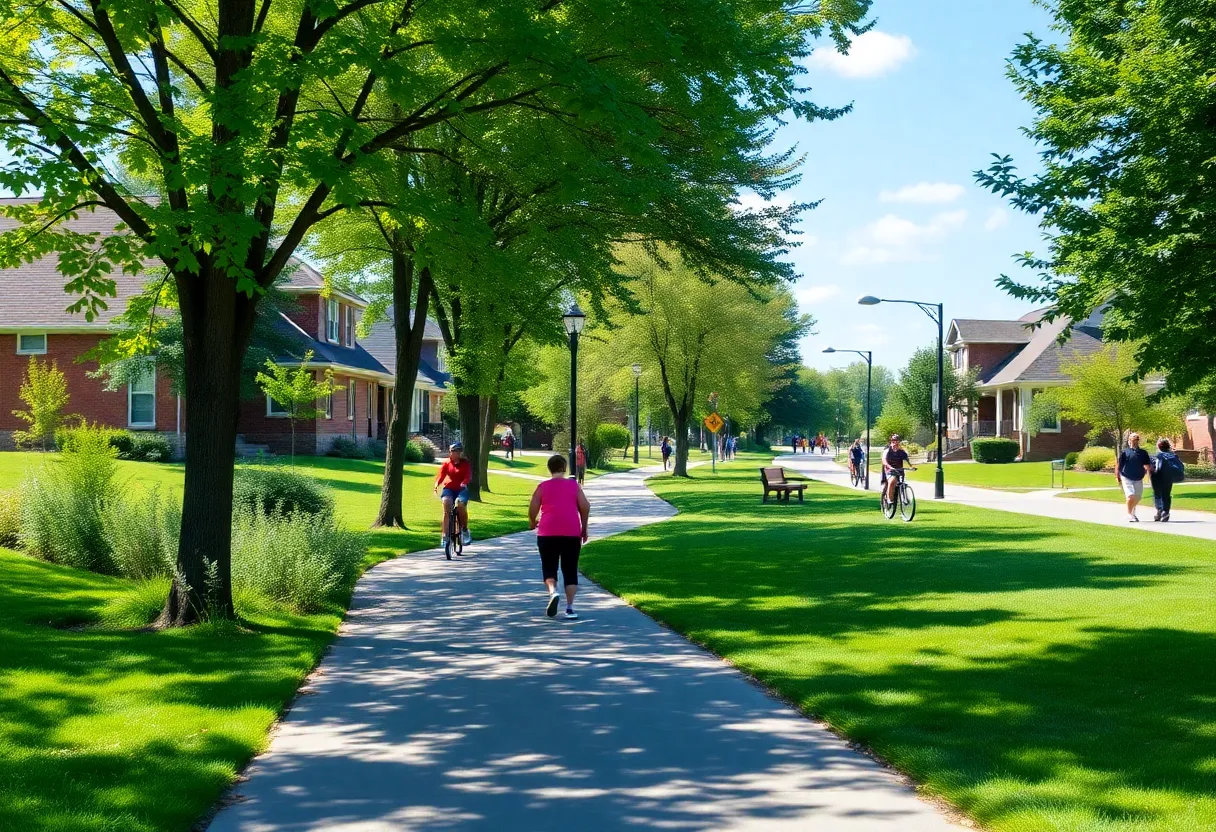
The Knoxville City Council has approved a new greenway plan that will connect the Fort Sanders neighborhood to Tyson Park, enhancing accessibility for pedestrians and cyclists. The greenway will feature a tunnel under existing railroad tracks to eliminate barriers for navigation. This initiative aims to reduce vehicle traffic by offering alternative transportation options. With community support and funding from federal and local sources, the project is projected to cost approximately $9.3 million and be completed before 2028.
Knoxville City Council approved a new greenway plan on Tuesday night that will connect the Fort Sanders neighborhood to Tyson Park. The new greenway will significantly enhance accessibility by featuring a tunnel under existing railroad tracks, designed to eliminate barriers for pedestrians and cyclists navigating between key destinations.
Jon Livengood, the City’s Alternative Transportation Coordinator, emphasized the issues with the current narrow sidewalk on Kingston Pike, particularly under the train tracks. The newly approved greenway will extend from Clinch Avenue, benefiting commuters heading to the University of Tennessee’s campus or Downtown Knoxville. This project aims to alleviate vehicle traffic on the roads by providing alternative transportation options for short distances.
Community support for the greenway is strong. Local residents, including Charlotte Brehmer and University of Tennessee sophomore Mike Novak, expressed approval for the initiative, citing benefits like reduced traffic congestion and improved accessibility for walking and biking.
Plans for this connector have been in discussion for over 20 years. In the 2015 City Bicycle Facilities Plan, the project was ranked second among 120 initiatives, highlighting its importance in the city’s transportation strategy. However, building the tunnel under the active railroad tracks presents challenges that will need careful consideration throughout construction.
The design services contract for the greenway project is valued at up to $980,770, while the total estimated cost of the greenway is approximately $9.3 million. Funding for this initiative will come from a combination of 80% federal funds and 20% local funds. The design process is anticipated to take about one year, with project completion projected before 2028.
Livengood reiterated that this project aligns with the city’s overall growth and the pressing need for enhancing transportation options due to limited road capacity. The greenway is part of a broader strategy to reduce reliance on cars in urban areas and promote sustainable transport solutions.
Key Features of the Greenway Plan
- Connects Fort Sanders neighborhood to Tyson Park
- Includes a tunnel under existing railroad tracks
- Aims to improve pedestrian and cyclist accessibility
- Designed to ease vehicle traffic congestion
- Funding mix of federal and local sources
- Projected completion before 2028
Background Context
This greenway project has sought to address the barriers faced by pedestrians and cyclists in Knoxville. The discussions have spanned over two decades, reflecting a longstanding commitment to enhancing the city’s transportation infrastructure. The initiative falls in line with a city-wide movement to promote sustainable urban living and improve the quality of life for residents by encouraging various modes of transport.
FAQ
What is the purpose of the new greenway plan approved by the Knoxville City Council?
The greenway aims to connect the Fort Sanders neighborhood to Tyson Park, enhancing accessibility for pedestrians and cyclists.
What challenges are anticipated during the construction of the greenway?
One of the primary challenges is building a tunnel under existing railroad tracks while maintaining active railroad service during construction.
What is the estimated cost of the greenway project?
The total estimated cost of the greenway project is approximately $9.3 million.
How will the project be funded?
Funding for the project will include 80% federal funds and 20% local funds.
When is the projected completion date for the greenway?
The design process is expected to take about one year, with completion projected before 2028.
Deeper Dive: News & Info About This Topic
HERE Resources
Knoxville City Council Elections: Early Voting Underway
Dasha Lundy Appointed Interim President of Knoxville College
Knox County Schools Faces Job Cuts Due to Funding Freeze
Knoxville City Council to Discuss Affordable Housing Initiatives
New Sculpture ‘Cathedral’ Installed on Greenway
Blount County’s Public Art Scene Enhances with New Sculptures
Alabama Set to Host Tennessee in Key SEC Clash
Knoxville City Council Approves Rail-to-Trail Project
Knoxville Considers Expansion of Passenger Rail Services
Knoxville Leaders Seek Input on Bicycle Facilities Improvements
Additional Resources
- WBIR: Knoxville City Council Approves Greenway Connector Plan
- Wikipedia: Greenway
- WATE: Proposed Knoxville Greenway
- Google Search: Greenway in Knoxville
- Knox News: Knoxville Moves Ahead with Greenways
- Encyclopedia Britannica: Urban Planning
- Planetizen: Knoxville Dedicates $1M to New Greenway
- Google News: Knoxville Greenway